Luxhaven
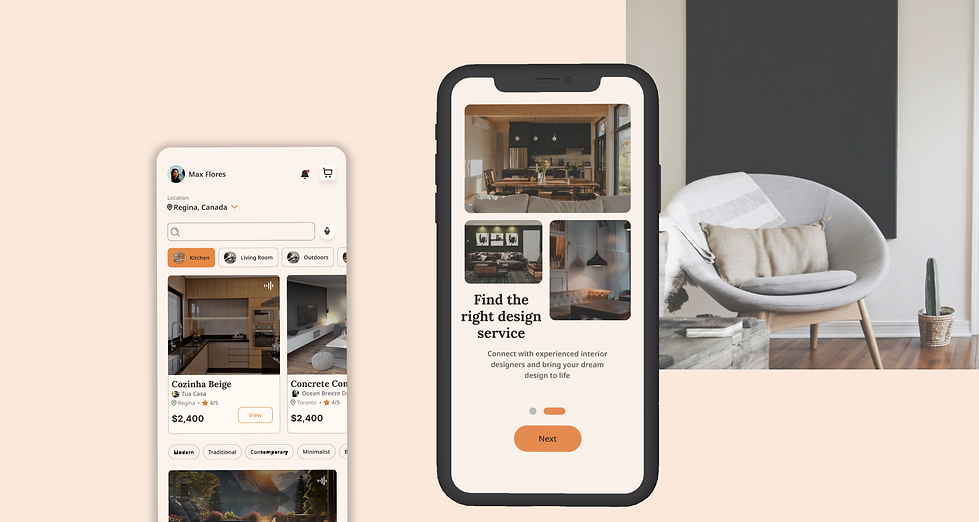
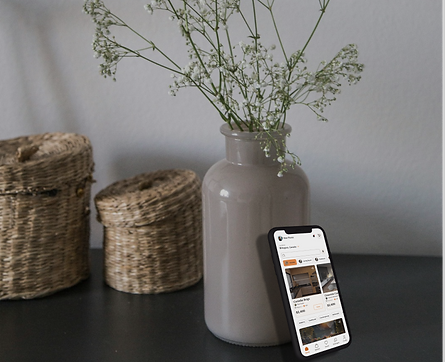
An interior design service app enhancing accessibility for visually impaired people
PROJECT - 2024
.png)
SCOPE
December - January 2024 (2 1/2Weeks)
ROLE
Solo student project for Google UX Design Course
TOOLS
Figma, Google Doc
In the interior design industry, accessibility remains a significant challenge
...particularly for individuals with sight challenges. Existing platforms often overlook their unique needs, making it difficult for them to engage with design options and express their preferences effectively
"How might we simplify the process of exploring and selecting interior design services options ensuring accessibility and personalization"
HYPOTHESIS
If a tool like LuxHaven integrates accessibility features and personalized design options, giving them the power to select the design service they want , then we predict an increase in user engagement and satisfaction levels.
WHY?
Creating a more accessible interior design tool is crucial for fostering inclusivity within the community, particularly for individuals with special needs or those facing sight-related challenges. By prioritizing accessibility, we empower a wider demographic to engage in the creative process of designing their living spaces, ensuring that everyone, regardless of ability, can actively participate in shaping environments that meet their unique needs and preferences.
BUSINESS OPPORTUNITIES/SOLUTION
Offering an innovative feature like audio descriptions of the designs done by various designers not only does this initiative cater to the specific needs of individuals with visual impairments but is also enhances overall user experience and engagement opening new opportunities for different companies that want:
-
Increased Confidence in them from users : giving users a confidence boost in navigating the platform.
-
A good brand Reputation : Fostering customer loyalty and advocacy.
.png)
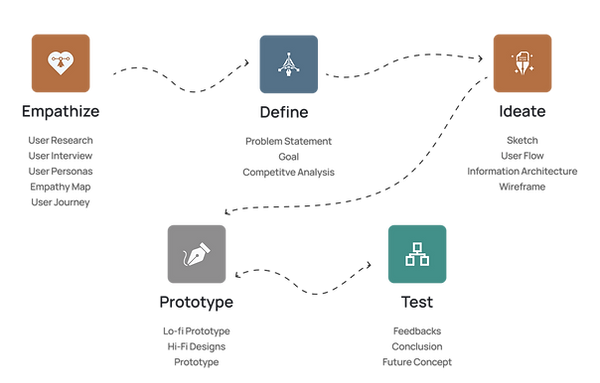
DESIGN PROCESS
DESK RESEARCH
Through comprehensive desk research, I've collected insightful data concerning the online behavior of individuals facing sight challenges. One prominent study from National library of Medicine
revealed:
"that those with visual impairments (VI) exhibit higher levels of socioeconomic disadvantage and lower internet usage compared to their sighted counterparts."
This disparity in internet accessibility poses significant limitations to their inclusivity in industries such as interior design. Consequently, addressing these accessibility gaps becomes imperative to ensure equitable participation and representation within the design community.
Major Insights

The study highlights a correlation between visual impairment and socioeconomic disadvantage, indicating that individuals with VI may face additional barriers beyond their disability.

The research underscores the limited inclusivity of design fields, such as interior design, for individuals with visual impairments.

Individuals with visual impairments are shown to have lower rates of internet usage compared to those without VI. This suggests that accessibility issues may hinder their ability to fully engage with online platforms and services.
COMPETITIVE ANALYSIS
None of the competitors provided inclusivity for people with diverse abilities.
I identified several competitors in the market (Houzz, Home Stratosphere, Havenly) and conducted an in-depth analysis of their target audience, strengths, weaknesses, visual design, and content. While I observed similarities indicating effective strategies, I also uncovered notable differences and potential opportunities for exploration. Among these variances, some key observations include:
-
Easily accessible vs distracting interface
-
Easy to use vs non-responsive pages
-
Simplified interactions vs complicated interface

UNDERSTANDING THE USERS
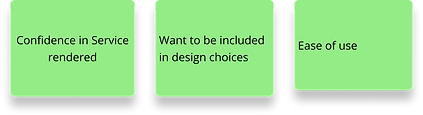
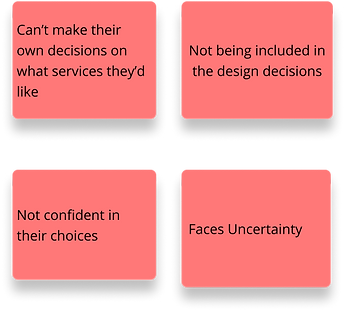
Although I thought creating user personas wouldn’t be necessary but I decided that it would narrow that they users’ needs I would be designing for and based on different situations of the users like age and need, I crafted three user personas from my affinity map.


.png)
AFFINITY MAP
GOALS
.png)
CONSTRAINTS

PAIN POINTS
IDEATION : INFORMATION ARCHITECTURE AND WIREFRAMES

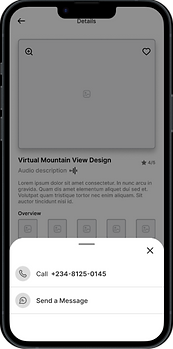
Paper sketching has always been my preferred method for brainstorming and fleshing out ideas. I began the design process by sketching out various concepts and iterating on the placement of contents and features within the app. Through this tactile approach, I was able to explore different design possibilities and refine the user experience. Once satisfied with the initial sketches, I transitioned to creating digital wireframes to further visualize and refine the app's layout and functionality. The combination of paper sketching and digital wireframing proved invaluable in shaping the final design, ensuring a user-friendly and intuitive experience for all
.png)


DESIGN
Idea brainstorm and setbacks
Before sticking with the audio description feature, I explored different ideas but couldn't come up with anyone that fits and seems more suitable to enhance inclusivity, following other organizations accessibility guidelines, I was able to find out how apps like YouTube enhances inclusivity and accessibility for visually impaired people.
KEY MOMENTS
Ensuring seamless usability during a user's initial interaction is paramount and serves as the litmus test for effective design. A truly exceptional design is not only equitable, usable, useful and enjoyable but also seamlessly intuitive, fostering a sense of immediate connection and understanding for users.
.png)
.png)
Accessibility
-
Users have the option to adjust font size and contrast settings for enhanced legibility and accessibility.
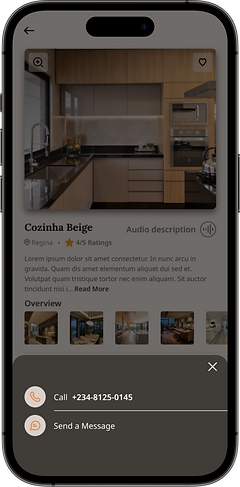
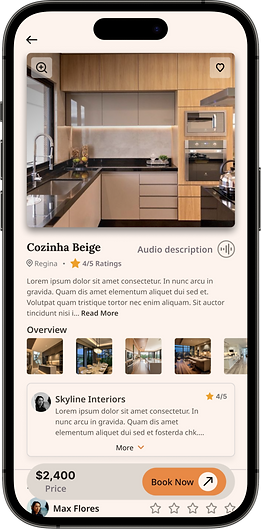
Service details page
-
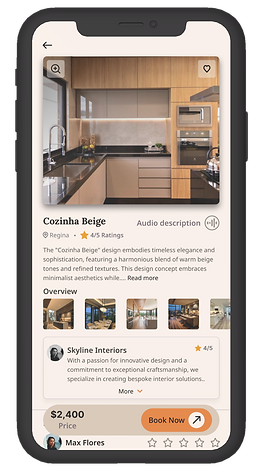
On the Designer Service Details screen, users can access comprehensive information with the audio description feature explaining the design concept including service descriptions, pricing, and designer profiles.
Made in Figma
DESIGN SYSTEM
Colors

Typography
Header 25px Bold
Body 16px Bold
Iconography

Components


HI FI DESIGNS
.png)
.png)
.png)
.png)
.png)
REFLECTIONS AND LESSONS LEARNED
Embarking on this project was a transformative experience for me. Prior to diving into it, I had never considered how users with visual impairments navigate the internet. This project opened my eyes to the importance of inclusivity in UX design. While initially challenging and daunting, I persevered and pushed through, ultimately developing a deeper understanding of the diverse needs of users. However, I recognize that there's always room for improvement, and I'm eager to continue refining the product to make it even more accessible and usable for individuals with diverse abilities. I believe that this feature will be a significant contribution to the world of interior design, allowing people of all backgrounds to make confident decisions about the services they choose while ensuring that everyone is included in the design process.
fin.